How Loss Aversion Quietly Destroys Real Estate Portfolios (And How to Avoid Becoming Another Cautionary Tale)
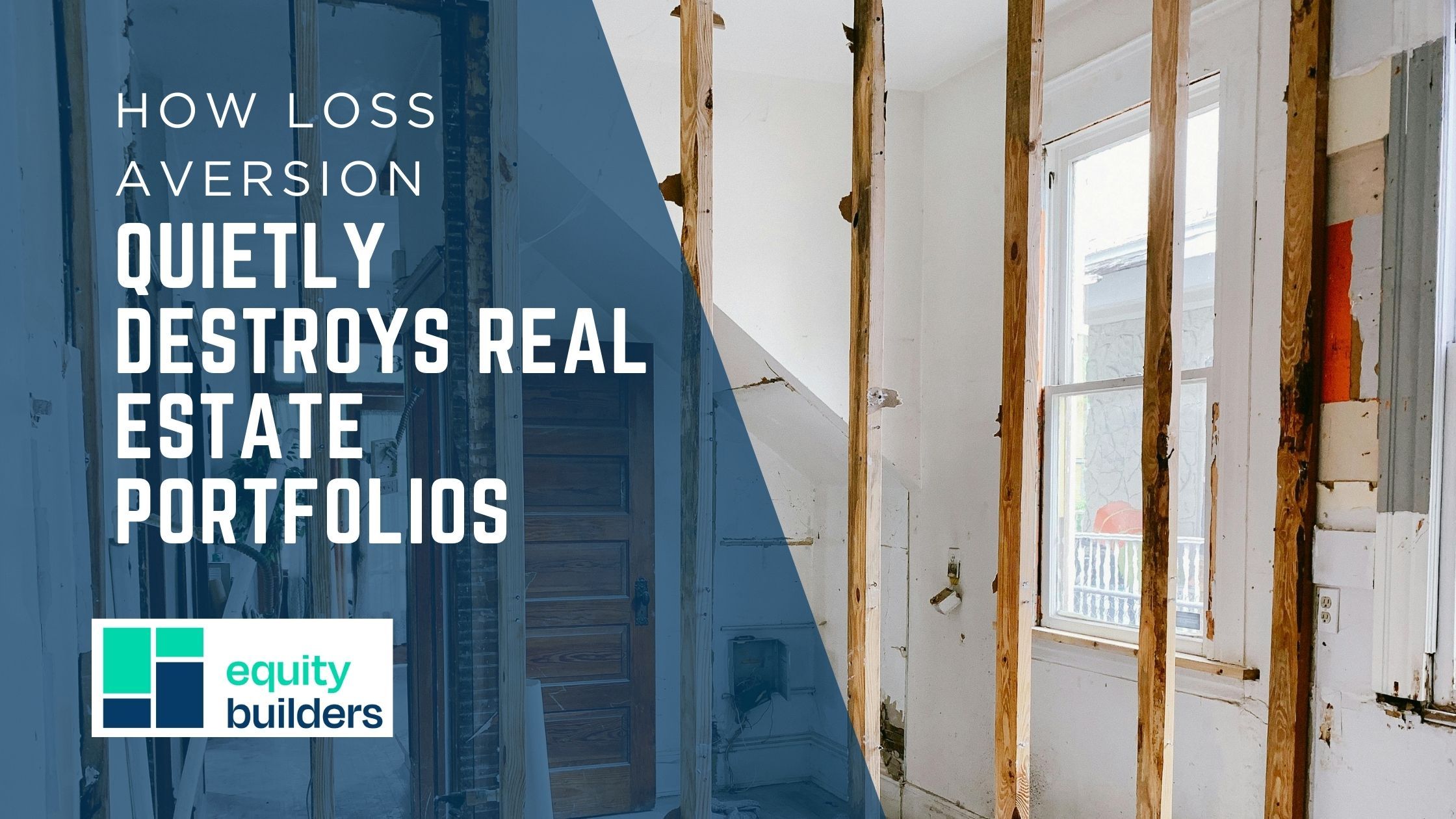
Most real estate investors think their biggest threats are interest rates, bad tenants, or surprise repairs. In reality, one of the most dangerous forces is something far more personal and far harder to see while you’re in it: loss aversion.
Loss aversion is the psychological bias that makes us fear losses far more intensely than we value equivalent gains. In real estate, it’s the quiet force that convinces people to “hold just a little longer,” “throw in a bit more money,” or “wait until the market comes back.”
And right now, in Canada’s major urban centers, that bias is causing real financial damage.
The Condo Owners Who Can’t Walk Away
If you spend any time talking to small or first-time investors in markets like Toronto or Vancouver, you’ll hear the same story on repeat:
They bought a pre-construction or resale condo.
They expected cash flow or at least a break-even.
Instead, they’re bleeding hundreds of dollars a month.
And instead of cutting their losses, they hold. And hold. And hold.
Even when they’re sitting on a property that’s $80K–$100K underwater, they cling to the belief that one day the market will bounce back. They imagine a future where they brag about how they “stuck it out” and came out ahead.
Except… the numbers don’t support that fantasy.
This is loss aversion at its purest: the refusal to realize a loss because doing so feels like admitting failure.
The Even More Dangerous Version: Investor–Builders Who Double Down
But I see an even scarier pattern among more experienced—or at least more ambitious—investors.
They raise capital from friends and family.
They take on a big construction, reno, or development deal.
Something goes wrong (and something always goes wrong).
And instead of shutting it down, they do whatever it takes to keep the project alive. I’ve watched people mortgage their own homes, drain retirement funds, borrow at terrible rates—just to avoid disappointing others or admitting the project can’t be saved.
They “chase the loss” exactly like a gambler at a casino.
Except the stakes aren’t chips.
They’re relationships. Reputations. Futures.
Loss aversion + ego + sunk costs = portfolio-ending decisions.
Why Pros Walk Away Earlier
Professional investors absolutely make mistakes. But their edge is simple:
Pros stop the bleeding early.
Amateurs keep bleeding until there’s nothing left.
A seasoned operator looks at a failing investment and does a cold, unemotional analysis:
-
What is the downside?
-
Is it capped?
-
Does additional spending change the outcome?
-
Is there a path to profitability?
If the answer is no, they walk.
They don’t fight the market. They don’t protect their ego. They don’t mortgage their entire lives to avoid a difficult conversation.
And because they walk away sooner, they live to invest another day.
How to Know When It’s Time to Cut Your Losses
If you’re stuck in a deal that’s draining you, ask yourself:
-
If I didn’t already own this, would I buy it today at the current price?
-
Does adding more money meaningfully improve the outcome?
-
Am I staying in this deal because of math or because of emotion?
-
If someone I respected looked at the numbers, what would they tell me to do?
If the honest answers point toward exiting… you already know what the right decision is.
You Don’t Have to Learn This Lesson the Hard Way
Loss aversion is universal. You’re not weak for feeling it—but you are at risk if you let it make your investment decisions for you.
If this episode hit a nerve and you want support from someone who has seen every version of this mistake play out, here are your next steps:
👉 Listen to the full podcast episode
We go deeper into real examples and the psychology behind these dangerous decisions.